The Stock Market and Gambling: A Surprising Connection
George Murray ·
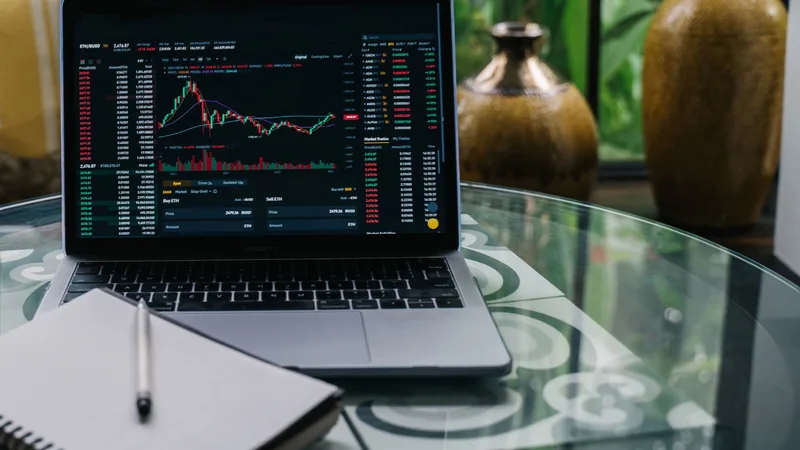
The stock market is a complex arena, filled with highs and lows that can significantly impact an investor's fortune. Picture a trading floor where the tension is palpable as traders react to every…
The Psychology of Stock Market Investing
Understanding the psychology behind stock market investing is crucial for anyone looking to navigate this complex environment. Emotions often drive decisions, leading to choices that may not align with the investor's financial goals. Recognizing how feelings like fear and greed can impact judgment is essential. Many investors make impulsive decisions during market volatility, which can lead to substantial losses. A balanced approach, grounded in research and strategy, is vital for achieving long-term success
Investors must also consider their own risk tolerance when making decisions. This self-awareness helps in assessing how much risk they are willing to take on in pursuit of returns. Knowing where one stands on the risk spectrum informs choices about asset allocation and investment strategies. A clear understanding of personal limits can prevent emotional trading and help investors adhere to their plans, even during market fluctuations.
Risk Tolerance and Decision Making
Risk tolerance directly influences decision-making in stock trading. Investors with a high risk tolerance may pursue aggressive strategies, while those who are more risk-averse might prefer safer, more stable investments. Emotional responses can cloud judgment, leading to choices that stray from one's original strategy. For example, during a market downturn, a risk-averse investor may panic and sell at a loss instead of holding onto their investments. Recognizing these emotional triggers can help investors maintain focus on their long-term goals.
The Role of Luck in Trading
Luck plays a significant role in trading outcomes, often more than investors care to admit. While skill and research are crucial, unexpected events can drastically alter market conditions. A well-timed trade may feel like a stroke of genius, but it can also be attributed to chance. Investors should be cautious of overestimating their abilities based on lucky streaks. Acknowledging the role of luck can promote a balanced approach to investing, encouraging a focus on strategy rather than relying solely on favorable circumstances.
Market Trends as Betting Patterns
Market trends can mirror betting patterns, revealing behaviors that experienced investors can exploit. Just as gamblers analyze the odds, stock traders can identify trends that suggest potential outcomes. This connection between market behavior and gambling strategies can provide insights into investment decisions. Understanding how to read these patterns allows investors to make more informed choices, potentially increasing their chances of success. Recognizing the similarities can also highlight the risks associated with both activities.
Investors should be aware of the impact of external factors on market trends. News events, economic shifts, and political developments can sway stock prices dramatically. Much like a gambler responds to changing conditions at the table, traders must remain adaptable. Keeping an eye on the news helps investors anticipate market movements and adjust their strategies accordingly. This awareness is key to maintaining a competitive edge in a constantly evolving market.
Identifying Patterns in Market Behavior
Identifying patterns in market behavior is fundamental for traders looking to enhance their strategies. By analyzing historical data and current trends, investors can spot recurring behaviors that may predict future movements. Observing these patterns is similar to how a gambler reads the table, searching for clues to inform their next bet. Successful traders often rely on technical analysis to identify these trends, helping them make data-driven decisions. However, it's essential to avoid confirmation bias, where one only sees patterns that support their preconceived notions.
The Impact of News on Stock Prices
News can dramatically influence stock prices, much like how a sudden turn in a game can affect betting outcomes. Investors must stay informed about economic indicators, company announcements, and geopolitical events that can sway market sentiment. Understanding how to decode news and its potential impact on stock prices is crucial. For instance, a positive earnings report may lead to a surge in stock price, while negative news can trigger a rapid decline. Staying alert to these developments can help investors navigate the market more effectively. 📈
The Mechanics of Trading vs. Casino Games
Understanding the stock market can feel like navigating a complex game, similar to casino gaming. Both environments operate on principles of chance and risk, where odds play a pivotal role. Investors and gamblers alike must assess probabilities and potential outcomes before committing their resources. Having spent years observing market trends and gaming behavior, I’ve noted the similarities in how these two worlds function. The concept of risk management is central to both, making it essential to grasp the mechanics behind each.
In the stock market, success hinges on analyzing data, tracking trends, and making informed decisions. Conversely, in casino gaming, success often comes down to understanding the odds of various games. Both traders and players confront uncertainty, and while some strategies can improve one’s chances, the inherent risks remain. Here are a few key comparisons:
- Both involve probability assessment.
- Risk management is crucial in both fields.
- Emotional responses can heavily influence decisions.
- Knowledge and strategy can improve outcomes.
Comparing Odds in Stocks and Casino Games
The odds in the stock market and casino games are calculated differently, yet both determine the potential for profit or loss. In stock trading, odds are influenced by market conditions, company performance, and economic indicators. In contrast, casino games typically rely on fixed odds established by the house, designed to ensure profitability for the operator. A clear understanding of these odds can help investors and players make more informed choices. For example, knowing that a slot machine has a 95% payout means the house retains a 5% edge. This is similar to how investors recognize that not every stock will yield high returns based on market fluctuations.
Stock Market Investing: A Form of Gambling?
Is stock market investing a form of gambling? This question often arises as investors ponder their strategies. At times, investing can resemble gambling, especially when decisions are driven more by speculation than by research. The line between smart investing and reckless betting can blur, particularly in volatile markets. As an investor, I've witnessed how quickly speculation can lead to losses when the market takes an unexpected turn. Understanding when investment strategies shift towards gambling is crucial for long-term success.
Many factors contribute to this blurred line, including emotional decision-making and market hype. Behavioral finance plays a significant role in how individuals perceive risk and reward. Investors often fall prey to biases that cloud judgment, leading to risky investments that resemble gambling behavior. For example, chasing after trending stocks without conducting due diligence can lead to significant losses. Here are some psychological factors that can lead to this risky behavior:
- Overconfidence in one’s knowledge.
- Fear of missing out (FOMO) on potential gains.
- Confirmation bias in seeking favorable information.
- Loss aversion causing excessive risk-taking.
Web Casino Gaming: A New Frontier for Investors
The stock market has evolved significantly over the years, attracting a diverse range of investors. One emerging trend that has caught the eye of many is the rise of web casino gaming. Online casinos are not just about entertainment; they represent a new opportunity for savvy investors looking to diversify their portfolios. The growth of iGaming platforms offers insights into market dynamics, consumer behavior, and revenue potential that can be quite lucrative.
Investors are increasingly recognizing the potential of gambling as a viable investment avenue. The online gambling industry has shown impressive growth, driven by technology and changing consumer habits. This surge presents an opportunity for investors to engage with a sector that promises to be both profitable and innovative. Understanding the intersection of stock market investing and web casino gaming could be beneficial for those looking to make informed decisions.
The Rise of iGaming Platforms
iGaming platforms have transformed the way people engage with gambling. These platforms attract investors due to their scalability and high revenue potential. Companies in this space often report substantial growth, driven by user acquisition and retention strategies. The accessibility of these platforms, combined with advancements in technology, enables companies to reach broader audiences. As a result, the iGaming sector has become a focal point for investors seeking emerging markets.
Strategies for Success: Lessons from Stock Trading
Applying strategies from stock trading to casino gaming can provide insights into maximizing returns. Investors can draw parallels between market analysis and evaluating game odds. Understanding risk management is crucial, whether in stocks or gaming. Here are a few strategies to consider:
- Diversify your investments: Just as one wouldn’t put all their money into one stock, don’t focus solely on one type of game.
- Set clear limits: Establish a budget for gaming and stick to it, similar to a trading plan.
- Research the market: Study trends in both stock performance and gaming preferences.
- Stay informed: Follow regulatory changes that could impact the iGaming sector. 📈